
Key Takeaways
- Myopia, or nearsightedness, makes faraway objects look blurry while close objects stay clear.
- Family history raises the odds, and genes come from both parents.
- Daily habits like screen time and limited outdoor play can shape how a child’s vision develops.
- Regular eye exams help catch changes early and support a plan built around your child.
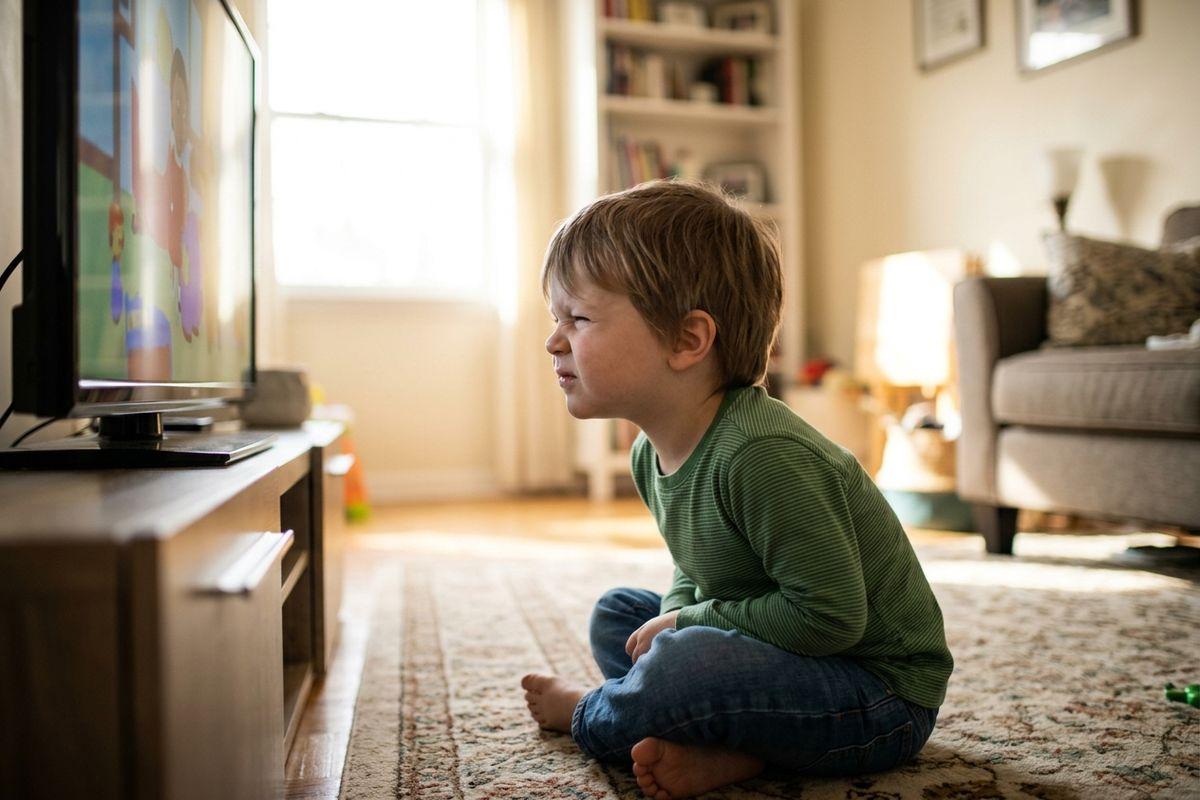
Your child squints at the television, then reads a storybook without any trouble. Moments like these can leave you wondering what is happening with their eyes and whether it runs in the family. Our team at Chestermere Optometry hears these questions from parents often.
Myopia does have a genetic link, so a child with one or both nearsighted parents faces higher odds, though daily habits and time outdoors also shape how their vision develops. Knowing what plays a part can help you make small changes and plan children’s eye exams that fit your family.
What Myopia Means for Your Child
Your child might see a book or tablet clearly, then squint the moment they look across the room. That gap is what myopia, or nearsightedness, feels like day to day. Close objects typically stay sharp, while distant ones turn soft and fuzzy.
This happens when the eye grows a little too long, so light lands just short of where it should. The change can be slow, and many kids assume blurry chalkboards are normal. That is why watching for small clues at home matters so much.
Signs Your Child May Show
Kids rarely say their vision has changed. Instead, their behaviour tells the story. Watch for:
- Squinting to read the board at school
- Sitting very close to the television or holding screens near the face
- Frequent headaches or rubbing the eyes often
If you notice these habits, a visit with our team can help sort out what is going on.
The Role of Genetics in Myopia
Genes play a real part in nearsightedness. When a parent has myopia, the odds go up for their child. When both parents have it, those odds climb higher still.
Part of what gets passed down is the shape and growth pattern of the eye. A slightly longer eyeball tends to run in families, and that length is closely tied to blurry distance vision. Genetics is not the whole story, yet it sets the starting point.
Is Myopia Inherited from Mom or Dad?
There is no single side to blame here. Children inherit genes from both parents, so nearsightedness can come from either one or both together. Rather than tracing it back to Mom or Dad, it helps to look at the family picture as a whole and share that history at your child’s next exam.
How Daily Habits Shape Your Child’s Vision
Screens fill a big part of childhood now. Homework, games, and video chats all pull the eyes into close-up focus for hours at a time. This steady near work can add strain and may push the eye to keep growing longer.
At the same time, kids spend less time outdoors than they used to. Days packed with indoor activities leave little room for looking across a park or field. That mix of more screens and less daylight is one reason nearsightedness shows up more often in children today.
Why Time Outdoors Helps
Sunlight seems to support healthy eye growth in ways that indoor light cannot match. Time spent outside gives the eyes a break from constant close focus and lets them relax on faraway views.
Aim for about 2 hours of outdoor play each day. A bike ride, a walk, or backyard games all count toward that goal.
Simple Steps to Support Healthy Eyes at Home
Small routines can make a real difference in how your child’s eyes handle daily demands. Try weaving these habits into ordinary days:
- Follow the 20-20-20 rule. Every 20 minutes, look at something 20 feet away for 20 seconds.
- Encourage about 2 hours of outdoor play, and more when the day allows.
- Keep screens and books about an arm’s length from the face.
These steps cost nothing and fit easily into school nights and weekends alike.
Can Myopia Be Slowed Down?
Good habits can help slow how fast nearsightedness progresses, though they do not undo it. Beyond daily routines, there are special lenses and eye drops designed to manage the pace of change in growing eyes. Our team can walk you through which options might suit your child and what to expect from each.
When to See an Optometrist in Chestermere
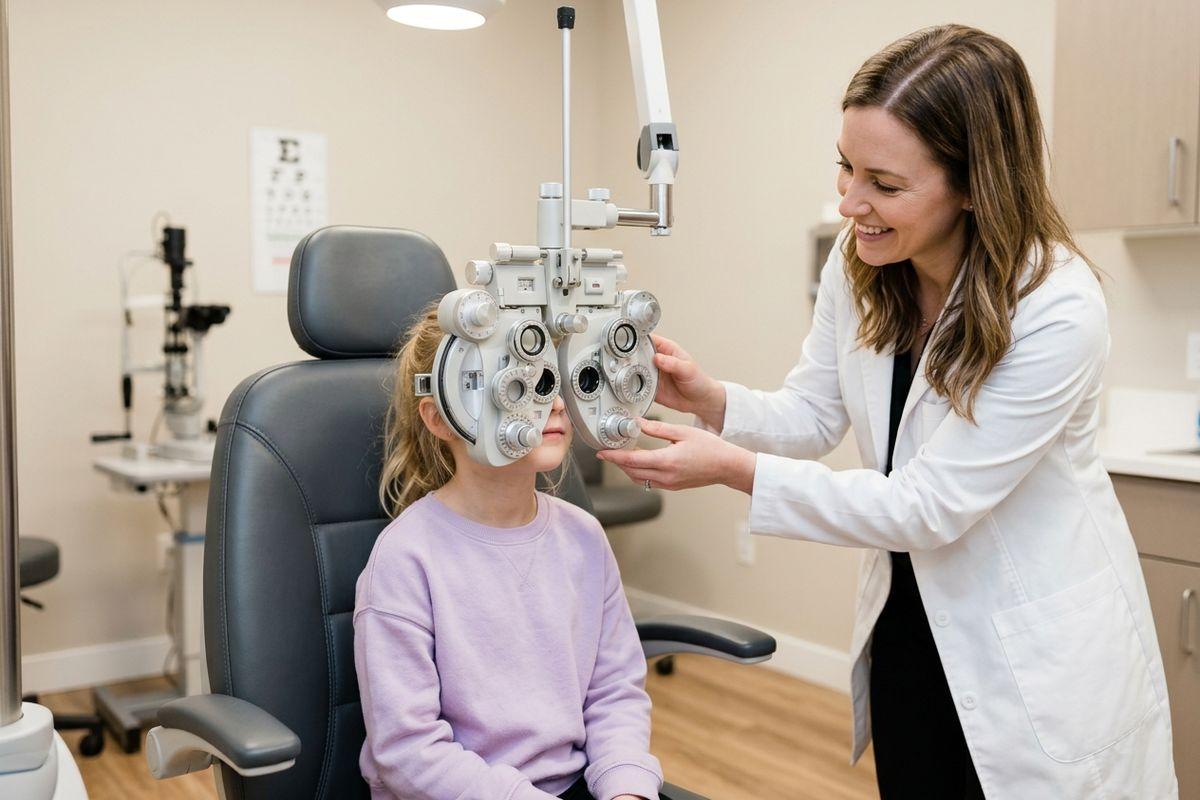
Regular eye exams are a reliable way to stay ahead of vision changes. Booking childhood checks means small shifts can be caught sooner, often before they affect schoolwork or play. From there, an optometrist in Chestermere can build a myopia management plan shaped around your child’s eyes, habits, and family history.
At What Age Does Myopia Stop?
Nearsightedness often settles down in the early 20s, once the eyes finish most of their growing. The years before then tend to bring the most noticeable changes, which is why steady checkups through childhood and the teen years matter so much.
Come See Us
Your child’s vision is worth a close, caring look at every stage. Our team at Chestermere Optometry is ready to help you understand the changes and plan the next steps. Book an eye exam today and support your child’s clear, comfortable sight for the years ahead.