Key Takeaways
- Myopia, commonly called nearsightedness, causes faraway objects to look blurry, and it often begins during the school years.
- Myopia control can slow how quickly your child’s prescription changes and helps lower the risk of high-myopia-related eye problems later in life.
- Special glasses, soft contact lenses, overnight Ortho-K lenses, and low-dose atropine drops are common myopia control options.
- The right choice for your family depends on your child’s age, maturity level, and daily routine.
- An optometrist in Chestermere can help you find a suitable plan for your child.
If your child has recently received a diagnosis of myopia, you may be wondering what comes next and how to support their vision health. You may have heard of myopia control and want to know if it could work for your family. Our team at Chestermere Optometry has guided local families through myopia management options like glasses, contacts, and other tools since 2006, and we are here to help you understand what may work for your child.
For many families, myopia control can be a valuable option because it may slow how quickly a child’s prescription changes and lower the risk of related eye problems later in life. The right choice depends on your child’s age, routine, and maturity level.
What Myopia Means for Your Child’s Eyes
Myopia, also called nearsightedness, happens when your child can see up close, but distant objects appear blurry. Myopia can be caused by the eye growing too long from front to back, which means that light lands in front of the retina (at the back of the eye) instead of directly on it.
That is one of the reasons why myopia often starts during the school years, because that is when children are growing very quickly. If the eye continues to grow longer, their prescription will continue to get stronger. Early attention matters, as high myopia can raise their risk of certain eye problems in adulthood.
Signs to Watch For
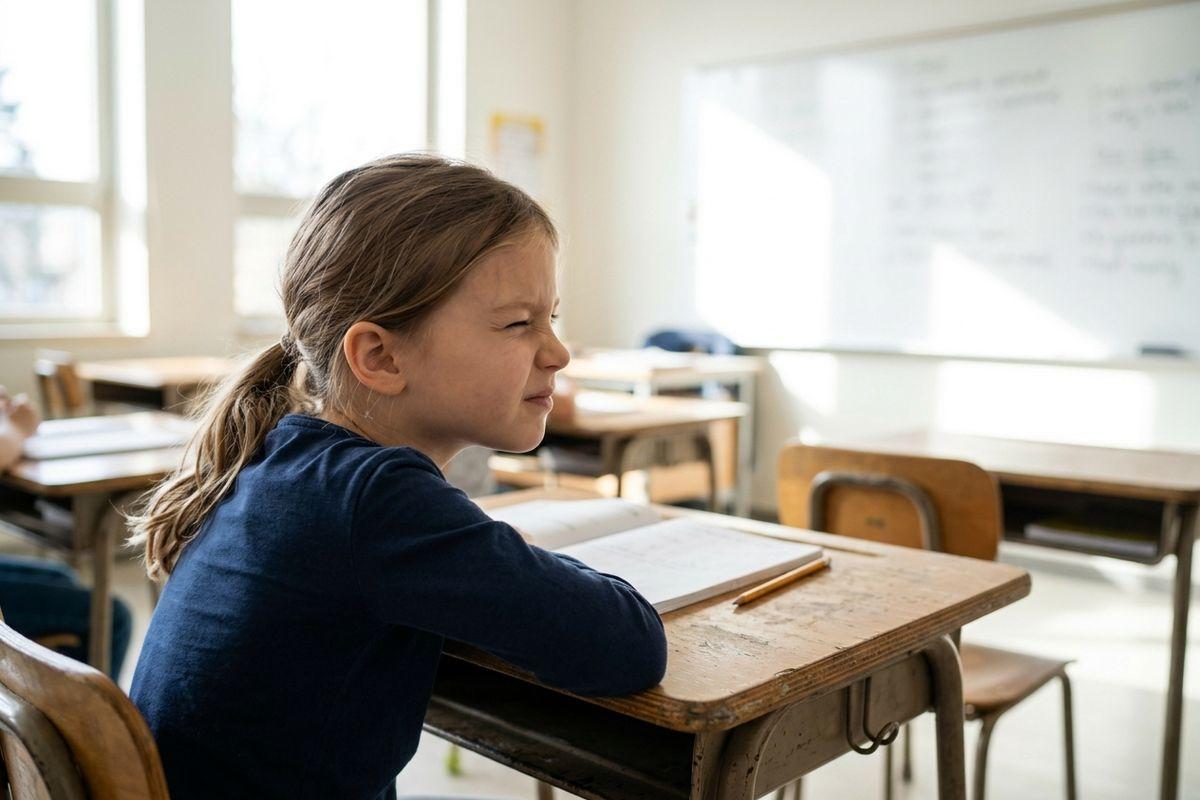
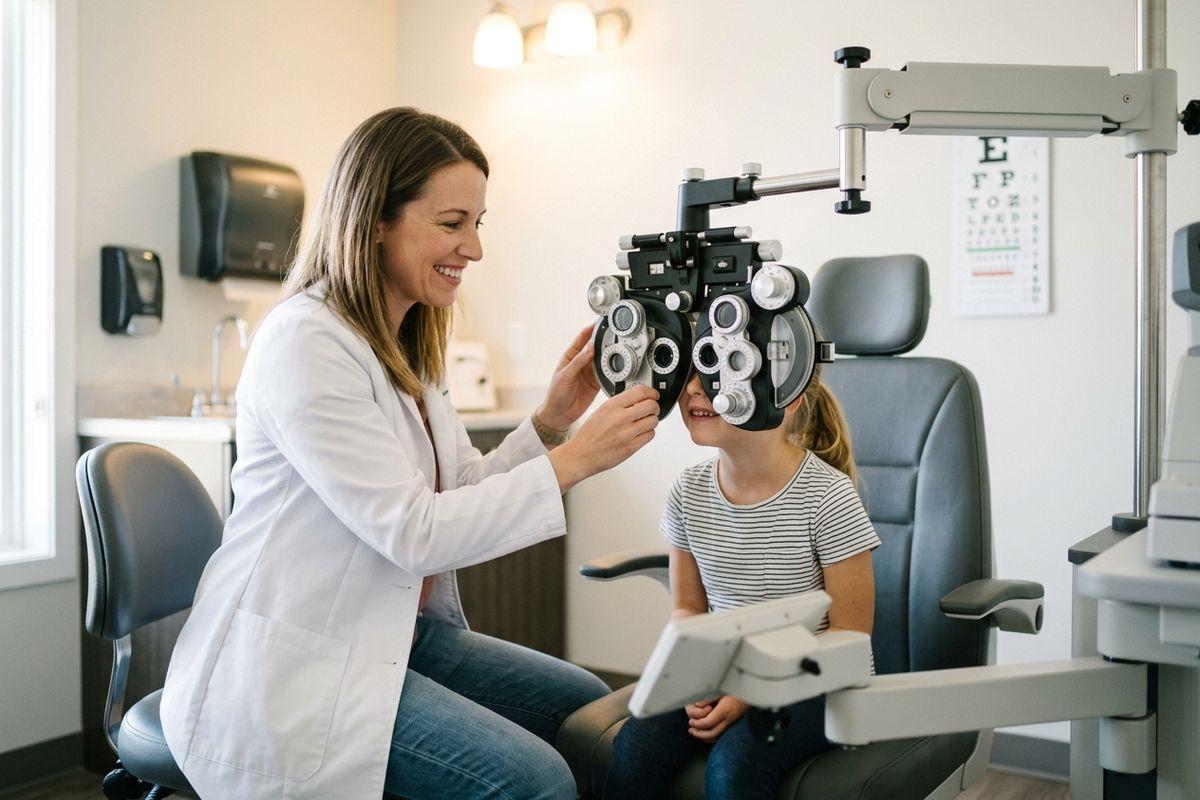
You know your child better than anyone, so small changes can stand out. If you notice your child doing any of the following, it may be time for a children’s eye exam:
- Squinting at the board or the television
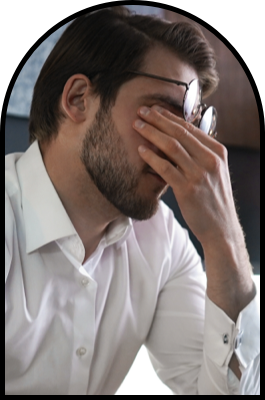
- Mentioning eye strain or consistently rubbing their eyes
- Trouble seeing faraway objects clearly
- Complaining of frequent headaches after school
Why Myopia Control Matters
Regular glasses correct blurry vision, but they do not slow the growth of the eye, which is what causes myopia. With regular glasses, your child will be able to see the board, but their prescription may keep getting stronger over time.
Myopia control takes a different path. It is designed to slow the progression of myopia, which supports a lower risk of eye disease later in life. Treatment like myopia control is about managing changes in your child’s vision over time and supporting their long-term eye health.
Your Main Myopia Control Options Compared
Every child is different, which is why at Chestermere Optometry, we tailor each plan to the individual. During your visit with our eye care team, we can discuss which method may work for your family.
Special Glasses and Soft Contact Lenses
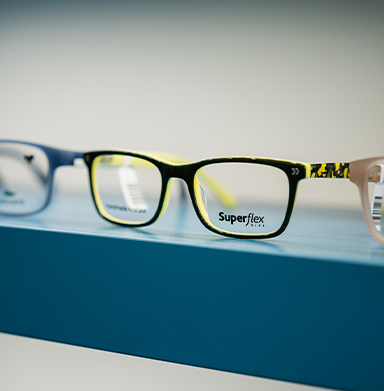
Specialty lenses are designed to perform 2 tasks at once. They correct blurry vision and help slow eye growth at the same time. Your child will wear them just like regular glasses, so their routine will stay the same.
Ortho-K Overnight Lenses
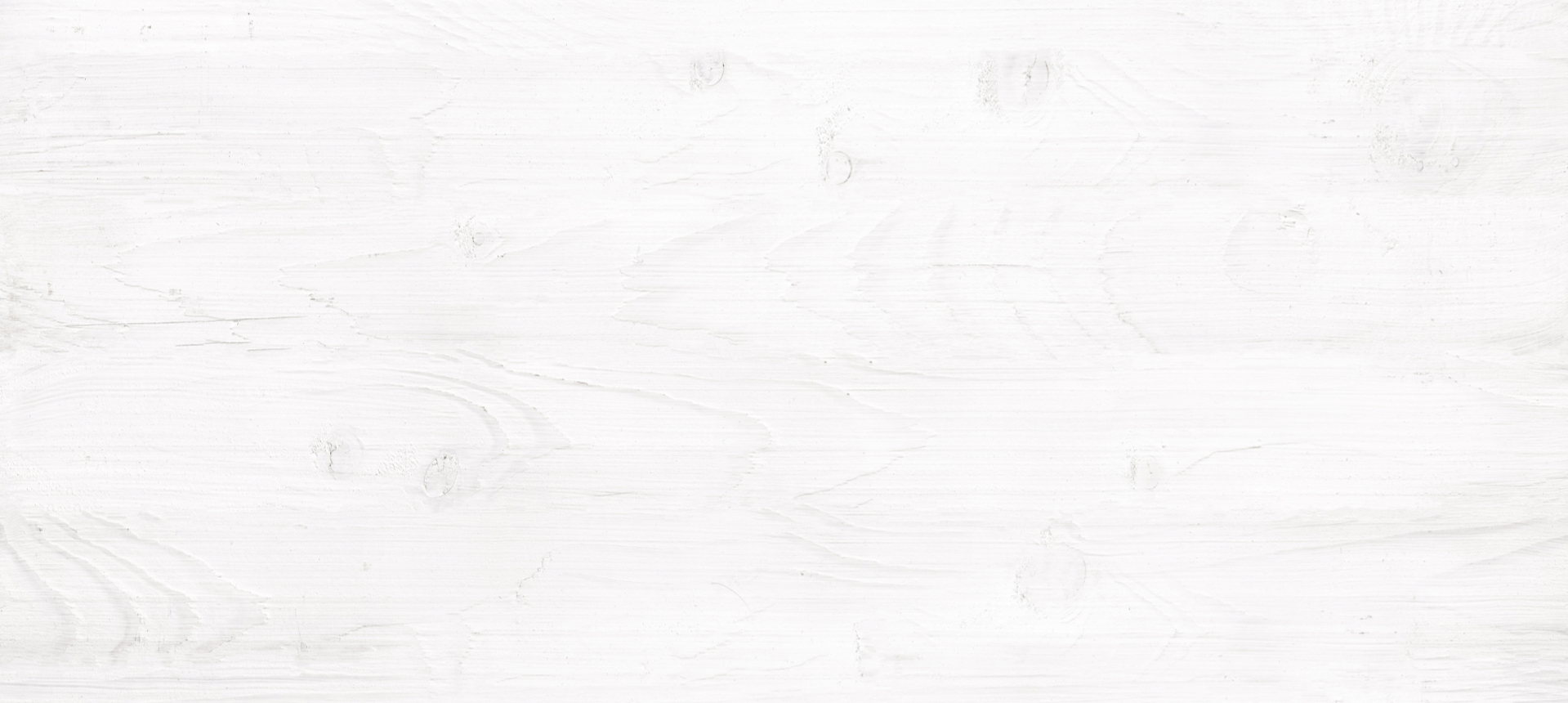
Ortho-K lenses are worn overnight to gently reshape the front of the eye (the cornea) while your child sleeps. In the morning, the lenses come out, providing clear vision that can last through the day. Because they require less reliance on glasses, they are a favourite for kids who are very active. A consideration, however, is that they do require a contact lens care routine, so they may not be the right fit for some children.
Low-Dose Atropine Drops
Low-dose atropine drops are typically used once daily, often before bedtime, depending on the treatment plan recommended by your eye care provider. Your child will still wear glasses during the day so they have clear vision for school and other activities, but the drops work behind the scenes to slow myopia progression. In some cases, an optometrist may pair the drops with another treatment for added support.
How to Choose the Right Option
A good fit is the one your child can stick with day after day. Younger children often do well with glasses, since they are simple to wear and easy for parents to manage. Active teens or responsible children may lean toward contact lenses or Ortho-K for freedom during sports. Think about sleep habits, screen time, and how independent your child is with daily care.
Book Your Appointment
The first step towards getting myopia control for your child is booking an assessment. Our team is passionate about helping your child maintain comfortable, clear vision as they grow. Schedule your appointment today and let a trusted optometrist in Chestermere help you find the right path for your family.