
Key Takeaways
- Diabetes can change the tiny blood vessels in your retina and raise your risk of cataracts and glaucoma.
- An eye doctor can spot signs of diabetes in the back of your eye, often before you notice any change in your vision.
- A diabetic eye exam uses pupil dilation and retinal images to track changes over time.
- Alberta Health Care provides some coverage for a yearly diabetes eye health exam.
- Plan for at least 1 eye exam every year if you live with diabetes.
Eye Exams Can Detect Diabetes
Between school drop-offs, work deadlines, and dinner plans, your own checkups can easily slide down the list. Yet a quick look inside your eyes can tell a story about your whole body. At Chestermere Optometry, our team sees every day how closely your eye health connects to conditions like diabetes.
An eye exam can reveal signs of diabetes in the tiny blood vessels at the back of your eye. Diabetic eye exams allow your eye doctor to watch for these changes and help protect your vision year after year.
How Diabetes Can Affect Your Eyes
Over time, diabetes can damage several parts of your eyes, including both the lens and the retina (a thin layer of tissue lining the back of your eye). Signs of diabetes may include:
- Damage to the tiny blood vessels at the back of your eye
- Increased risk of developing cataracts earlier
- Increased risk of glaucoma
- Swelling in the centre of your retina
Each of these changes can affect how clearly you see.
What Can an Eye Doctor See During Your Eye Exam?
Your eyes give your eye doctor a clear window into your overall health.
Signs in the Back of Your Eye
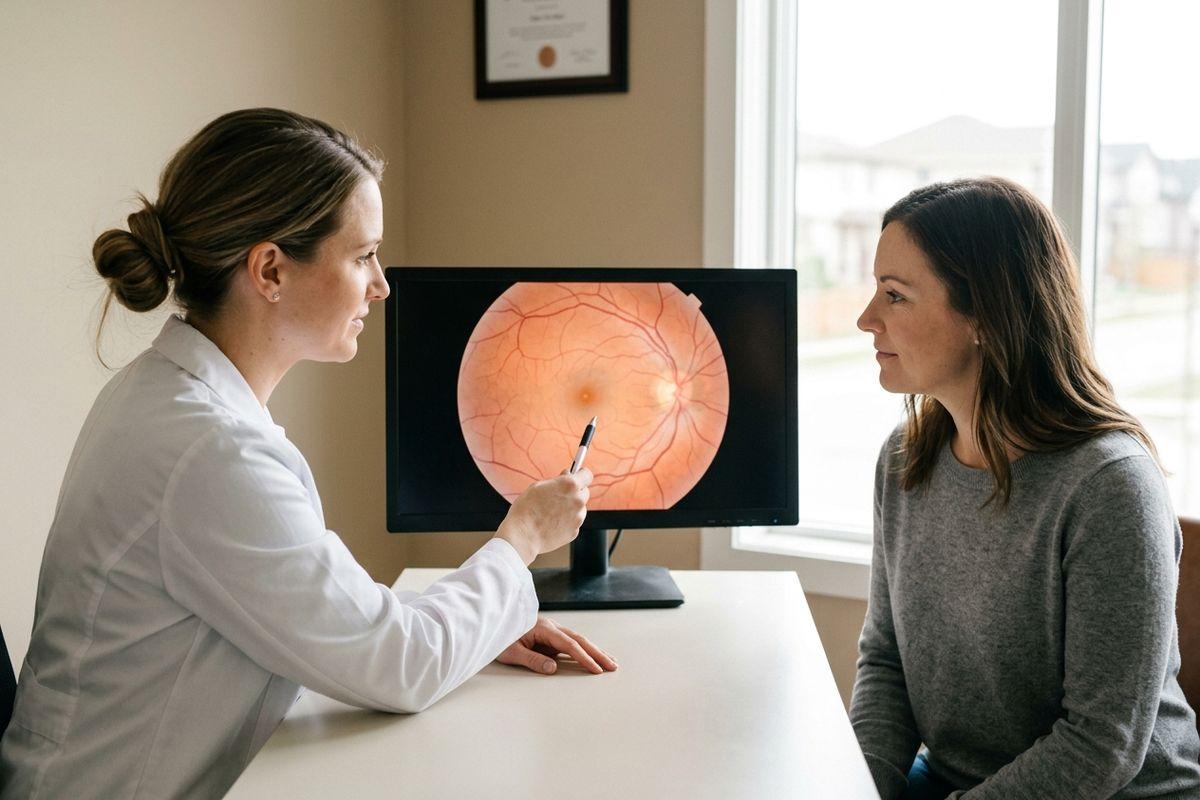
During your exam, your eye doctor looks closely at your retina. Small changes in the blood vessels of your retina, along with signs of swelling or fluid leaks, can all point to diabetes.
Why Changes Can Go Unnoticed
Many diabetic eye conditions show no early symptoms. You can read a bedtime story or drive to work with sharp vision while changes build quietly in the background.
An eye exam can help catch these changes before they become more serious problems.
Type 1 & Type 2 Diabetes
Whether you’re living with type 1 or type 2 diabetes, your risk increases the longer you have the condition. With type 2 diabetes, signs in the eyes are sometimes already present at the time of diagnosis. This makes an eye exam a helpful part of your care from the start.
How a Diabetic Eye Exam Differs from a Regular Eye Exam
A regular eye exam looks at how well you see and the general health of your eyes. A diabetic eye exam includes these steps, but also takes a closer look at the areas of the eye that diabetes can affect.
Here is what a diabetic eye exam might include:
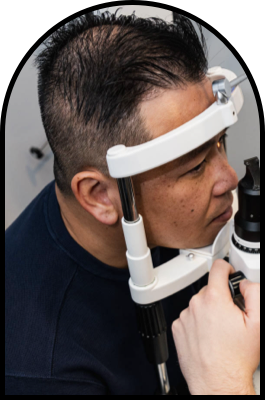
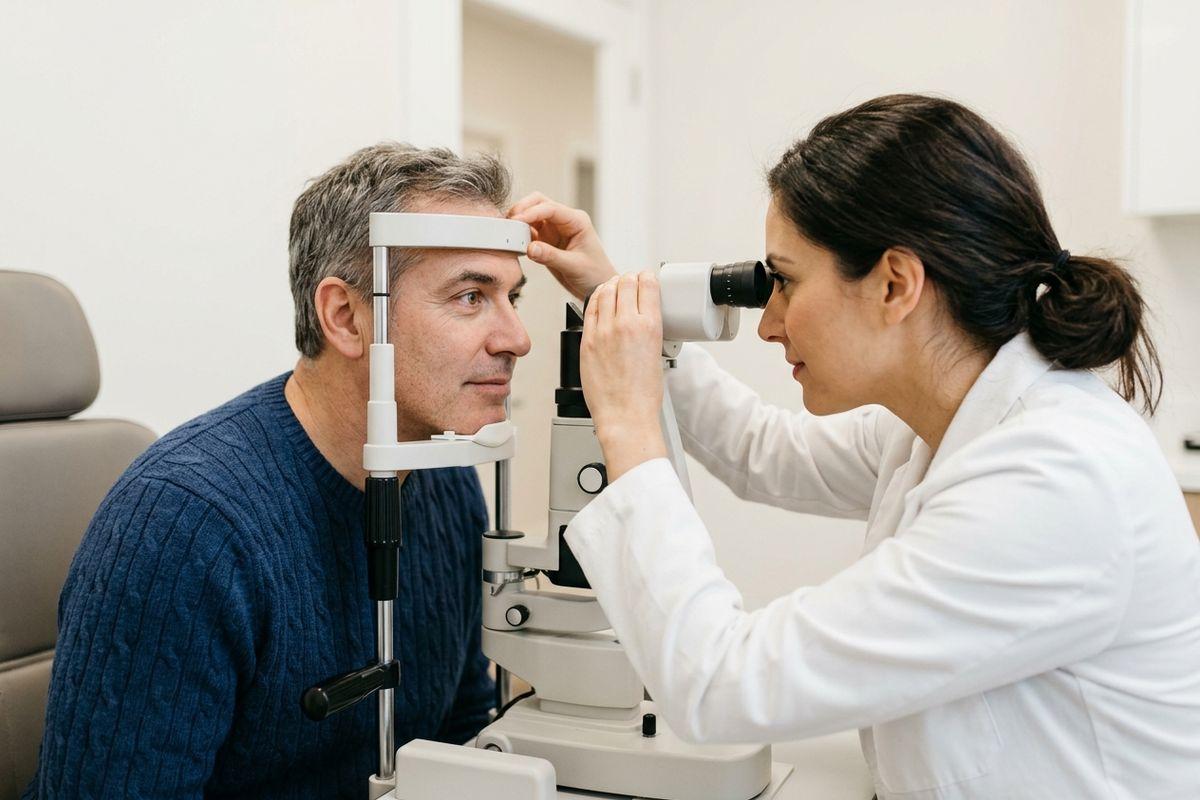
- Your eye doctor dilates your pupils for a clear view inside your eye.
- Your eye doctor does a detailed check of your retina and its blood vessels.
- Your eye care team takes retinal images and compares them over time to track changes.
Coverage for Albertans with Diabetes
If you live in Alberta and have diabetes, Alberta Health Care provides some coverage for diabetic eye health exams.
Factors That Raise Your Risk of Diabetic Eye Disease
Knowing your risk factors can help you and your eye doctor plan your care together. The following risk factors can all raise your risk of diabetic eye disease:
- You have lived with diabetes for many years.
- Your blood sugar swings up and down.
- You have high blood pressure or high cholesterol.
- You are pregnant.
- You use tobacco.
If you are pregnant or planning to grow your family, let us know. We can plan your visits around this change.
How Often to See Your Optometrist in Chestermere
Yearly Eye Exams for People with Diabetes
If you live with diabetes, plan for at least 1 eye exam every year. Your eye doctor may suggest more frequent visits based on what they see in your eyes.
Choosing an optometrist in Chestermere close to home can make these visits easier to fit between work meetings and soccer practice.
Simple Habits to Support Your Eye Health
Small daily choices can help support your eyes between visits. The following habits can all help:
- Eating balanced meals and getting regular exercise.
- Taking your medications as prescribed.
- Keeping your blood sugar within your target range.
A family walk after dinner or a packed lunch full of colourful vegetables can help you build these habits without adding extra time to your day.
Book Your Diabetic Eye Exam in Chestermere
Your eyes can offer early clues about diabetes, and a yearly exam can help you catch these changes early. Our team at Chestermere Optometry has cared for local families since 2006, and our team takes a holistic approach that considers your health and lifestyle needs.
Book your diabetic eye exam with your optometrist in Chestermere today and give your vision the care it deserves.