
Key Takeaways
- Myopia makes faraway objects look blurry, and it often gets worse during the school years.
- Standard glasses correct sight, but they do not slow how quickly myopia progresses.
- Options like myopia control lenses, overnight lenses, and low-dose drops can help manage progression.
- Two hours outdoors each day and regular screen breaks support healthy vision.
- An optometrist in Chestermere can build a plan that fits your child.
Watching your child’s eyesight change year after year can feel worrying, especially when each visit brings a stronger prescription. You want more than a quick fix that only sharpens what they see today. Our team at Chestermere Optometry works with local families who want to slow that steady change.
You can slow myopia progression in children with options like myopia control lenses, overnight lenses, and low-dose atropine drops, along with daily outdoor time and regular screen breaks.
What Myopia Means for Your Child’s Eyes
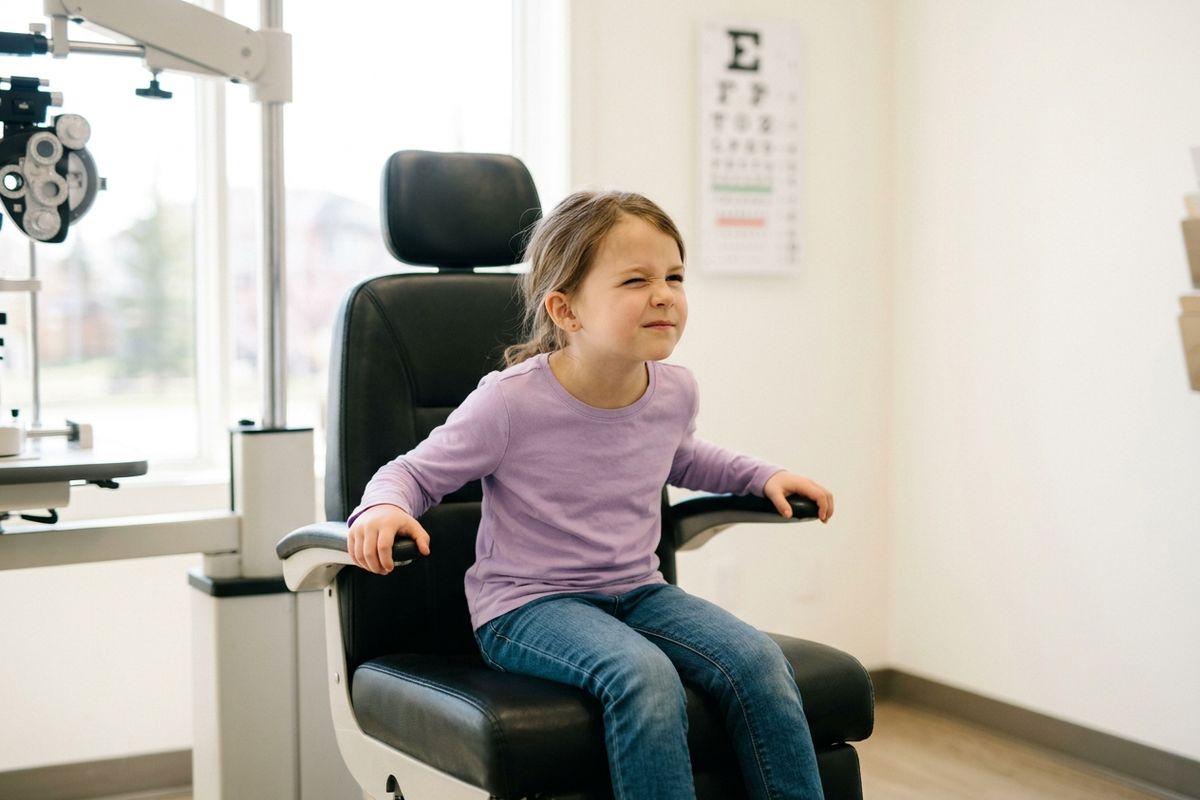
Your child squints at the television, sits inches from a tablet, or holds a book close to their face. These small habits can point to myopia, also called nearsightedness. It makes objects far away look blurry while close things typically stay clear.
Myopia often shows up during the school years, usually between ages 8 and 13. As a child grows, the eye can grow slightly longer from front to back. That extra length is what blurs distant vision, and it tends to shift as your child develops.
Why Slowing Myopia Progression Is Important
Regular glasses sharpen what your child sees today. They do not change how fast the eye keeps growing. That difference matters for the years ahead.
When progression slows, prescriptions tend to stay steadier as your child grows. A lower final prescription can also mean a reduced risk of certain eye concerns later in life. Early action gives your child room for clearer, more stable vision through school and beyond.
Signs Your Child May Need Help
Kids rarely say their vision is changing. They simply adapt. Watch for these clues instead:
- Squinting or sitting very close to screens
- Frequent headaches or eye rubbing
- Trouble reading the classroom board
If any of these sound familiar, a visit with an eye care professional can help you understand what is happening.
Treatment Options Beyond Regular Glasses
Several tools can help slow myopia progression. The right choice depends on your child, so a professional exam comes first.
Special Lenses for Myopia Control
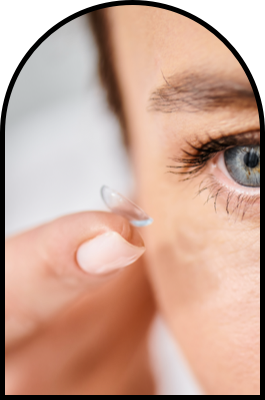
Myopia control glasses look like regular glasses, but they carry tiny built-in zones that gently guide how the eye focuses. Soft contact lenses offer another route, and many active kids find them comfortable for sports and play. Both work well when worn through the full day, since steady, all-day use gives the eye a consistent signal.
Overnight Lenses and Eye Drops
Some options work while your child rests. Orthokeratology (or ortho-k) lenses gently reshape the front of the eye overnight, so many kids see clearly during the day without glasses. Low-dose atropine drops, placed in the eyes at bedtime, can also help slow progression.
How to Pick the Right Fit
Every child is different. Age, daily routine, and comfort all shape the right match. A quiet reader and a busy soccer player may do well with very different tools.
Consistent use matters most, so the plan has to suit real life. Our team at your eye care practice can review the choices with you and help match each child to an option they can stick with.
Daily Habits That Support Healthy Vision
Small routines add up. Aim for about 2 hours of outdoor time each day, since natural light appears to support healthy eye growth. Sunshine and open space give young eyes a break from close focus.
Indoors, keep an eye on close-up screen time. A helpful pattern is the 20-20-20 rule. Every 20 minutes of near work, look at something about 20 feet away for around 20 seconds. This simple pause relaxes tired eyes and fits easily into homework or gaming.
When to See an Optometrist in Chestermere
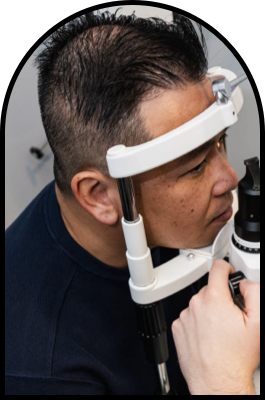
Regular eye checkups allow us to track changes early, often before your child notices anything. Booking a visit each year helps keep you ahead of shifts in vision, especially during the fast-growing school years.
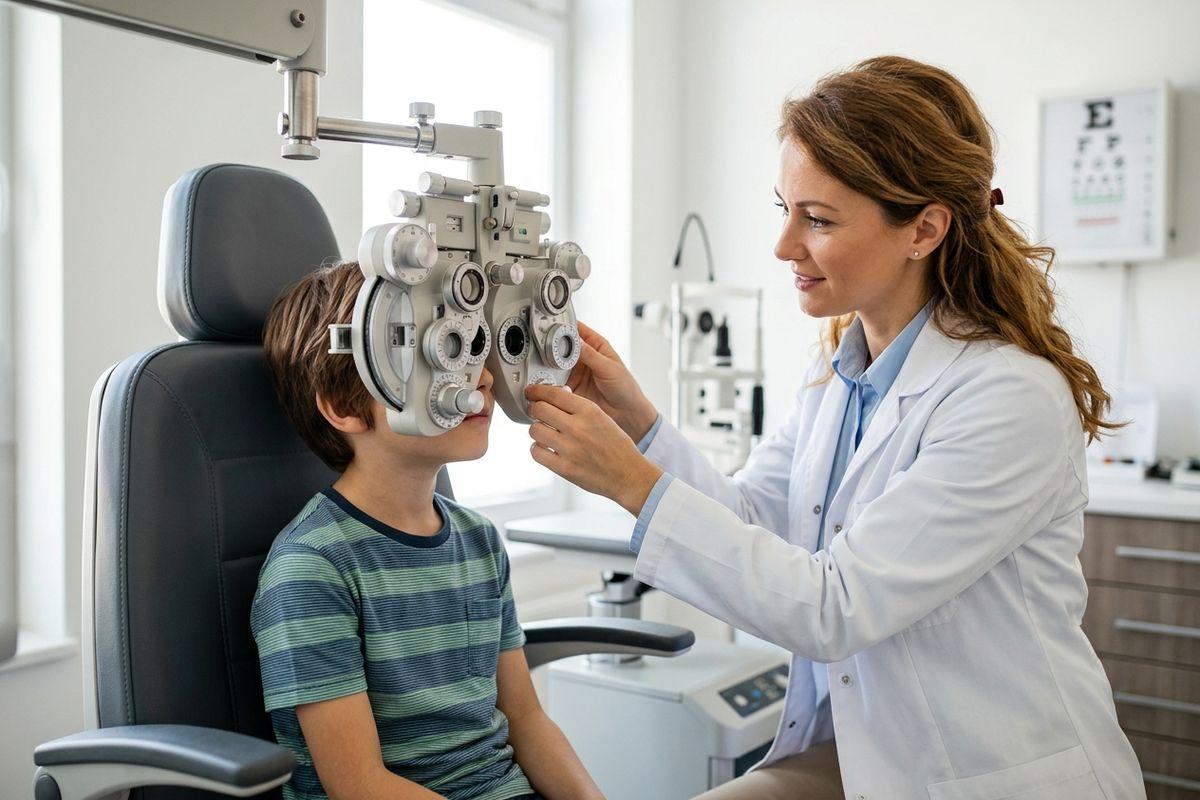
Our team can measure your child’s eyes, review daily habits, and build a personalized myopia plan. Chestermere Optometry has cared for local families since 2006, and we are ready to help your child enjoy clear, comfortable vision. Book an appointment today to get started.