
Key Takeaways
- An eye exam checks your overall health as well as your prescription.
- Eye exams can show signs of general health conditions like diabetes, high blood pressure, high cholesterol, thyroid disease, and stroke risk.
- Some cancers, as well as certain eye conditions like glaucoma, can appear during an exam before you notice symptoms.
- Regular eye exams help your eye doctor track changes over time.
The Benefits of Eye Exams
An eye exam can detect signs of a wide range of different conditions. These include general health issues like diabetes, high blood pressure, high cholesterol, thyroid disease, stroke risk, and some cancers, as well as eye conditions such as glaucoma or cataracts. In many cases, eye exams can detect problems before you notice symptoms.
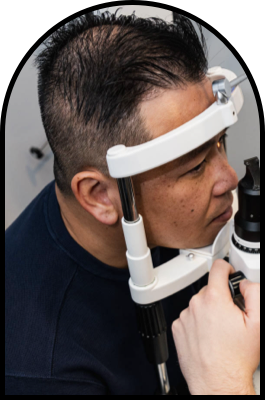
A comprehensive eye exam with our team at Chestermere Optometry can help monitor your health and keep you ahead of potential vision problems.
Health Problems an Eye Exam Can Detect
Your eyes are windows into both your blood vessels and your nerves. When your eye doctor performs an eye exam, this unique view of your body means that they can often see early signs of various general health conditions.
Diabetes & Blood Sugar Changes
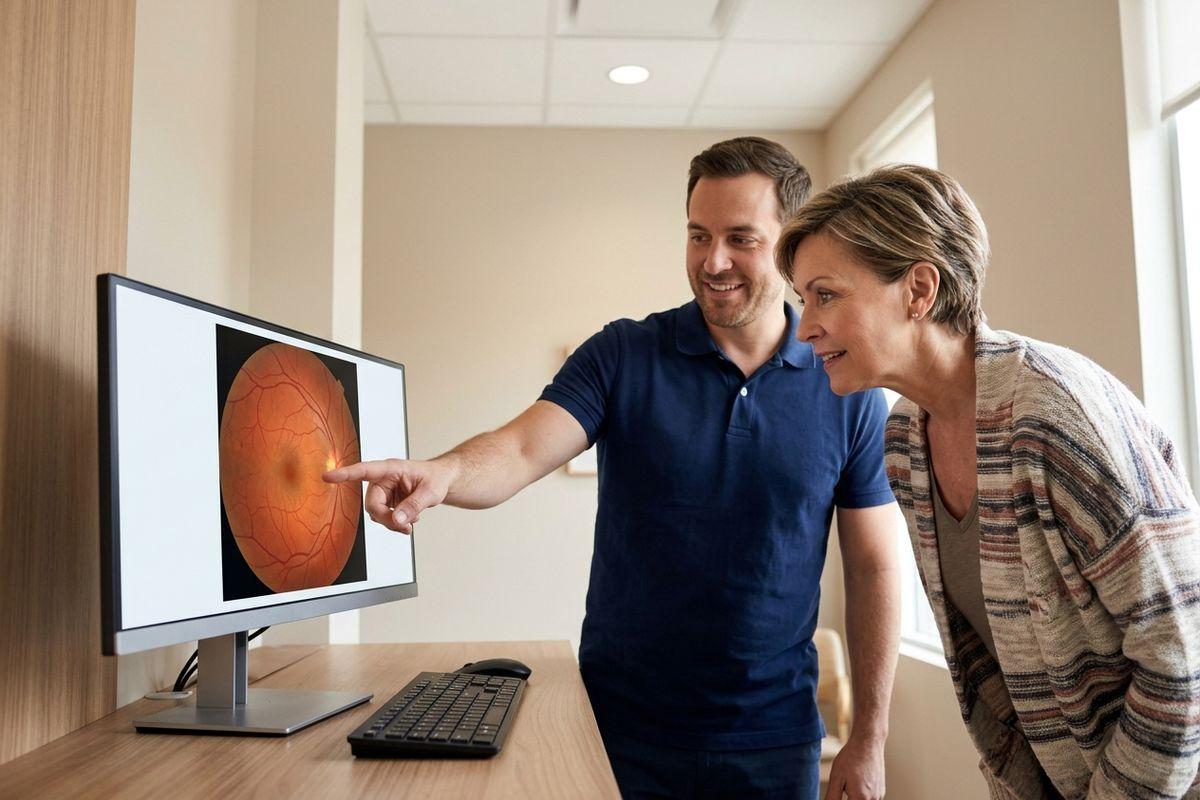
Diabetes can change or damage the tiny blood vessels in your retina, the light-sensitive layer at the back of your eye. If your eye doctor detects such changes, they can refer you for further testing.
High Blood Pressure & High Cholesterol
If the blood vessels in your retina look narrow, bent, or kinked, this can be a sign of high blood pressure. If a yellow ring appears around the front of your eyes, or if yellow fatty deposits form on your eyelids, this can indicate high cholesterol.
Thyroid Disease, Stroke, & Brain Health
Eyes that bulge forward may be a sign of thyroid disease. Tiny clots in the blood vessels of your retina can point to a higher risk of stroke, while a swollen optic nerve or pupils of different sizes can signal a problem in the brain.
What Cancers Can an Eye Exam Detect?
Some cancers show signs in or around the eye. Potential symptoms include:
- A new dark spot or speck inside your eye.
- Certain changes in the retina.
- Eyelids that droop in a certain way.
If something looks unusual, your eye doctor may recommend further testing.
Eye Conditions That Develop Over Time
Glaucoma often progresses slowly. Left untreated, it can cause vision loss before people notice symptoms. For this reason, glaucoma is sometimes referred to as “the silent thief of sight.”
Age-related macular degeneration (AMD) affects your central vision. Like glaucoma, it often goes undetected until it causes vision loss.
Cataracts, while often less serious, can make your vision blurry and may complicate driving at night.
When to Book an Eye Exam with an Optometrist in Chestermere
Regular eye exams help our team at Chestermere Optometry track gradual changes in your vision and your health. Book an eye exam today, and let us help you and your family stay ahead of potential problems.