

If your eyes often feel uncomfortable, you might be experiencing a common condition known as dry eye.
Sensations associated with dry eye often include a gritty, scratchy, or burning feeling that usually affects both of your eyes. Dry eye occurs when your tears are not able to provide adequate lubrication, leading to a range of symptoms that can disrupt your vision and your day.
Due to the local climate, we see a lot of dry eye cases at Chestermere Optometry, which is why we offer dry eye management.
Common Signs & Sensations of Dry Eye
A Gritty or Scratchy Feeling
One of the most distinct signs of dry eye is the feeling that there is something is in your eye—even when there is not. This gritty sensation can be both distracting and uncomfortable.
Other Telltale Symptoms
Beyond scratchiness, you may notice other signs that point to dry eye disease. These symptoms can vary from person to person and may include:
- A stinging or burning sensation
- Redness and sensitivity to light
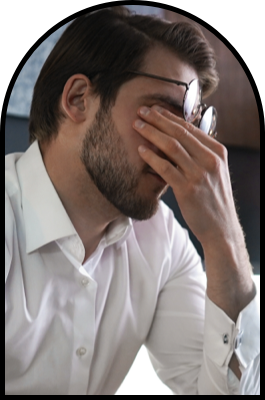
- Blurred vision or eye fatigue, especially after screen time
- Stringy mucus in or around your eyes
- Difficulty with nighttime driving
- Watery eyes as your body tries to combat the irritation
Why Your Eyes Might Feel Dry
Your eyes depend on a steady flow of quality tears to stay comfortable and healthy. Dry eye occurs when this tear system is out of balance. Typically, this happens for one of two reasons—either your eyes do not produce enough tears, or the tears that are produced evaporate too quickly.
Not Enough Tears
As you age, the glands in your eyes may naturally slow down their tear production. Certain health conditions or medications can also contribute to a lower volume of tears, leaving your eyes without enough moisture to feel comfortable.
Tears That Evaporate Too Fast
Your tears have an oily outer layer that prevents them from drying out too fast. If the tiny glands that produce this oil become blocked, your tears may evaporate too quickly. This is a common issue, especially with our climate’s dry air.
Factors That Increase Your Risk
Certain elements of your life and environment can make you more likely to experience the discomfort of dry eyes. These include:
- Age and hormonal changes can lead to a decrease in tear production.
- You tend to blink less often when you focus on a computer or phone, which can dry out your eyes.
- Exposure to wind, smoke, or dry air in airplanes or air-conditioned rooms can increase tear evaporation.
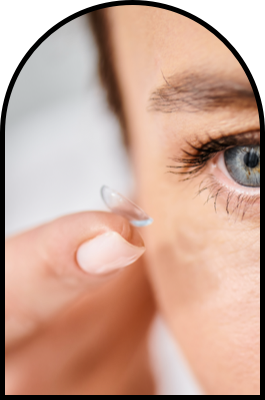
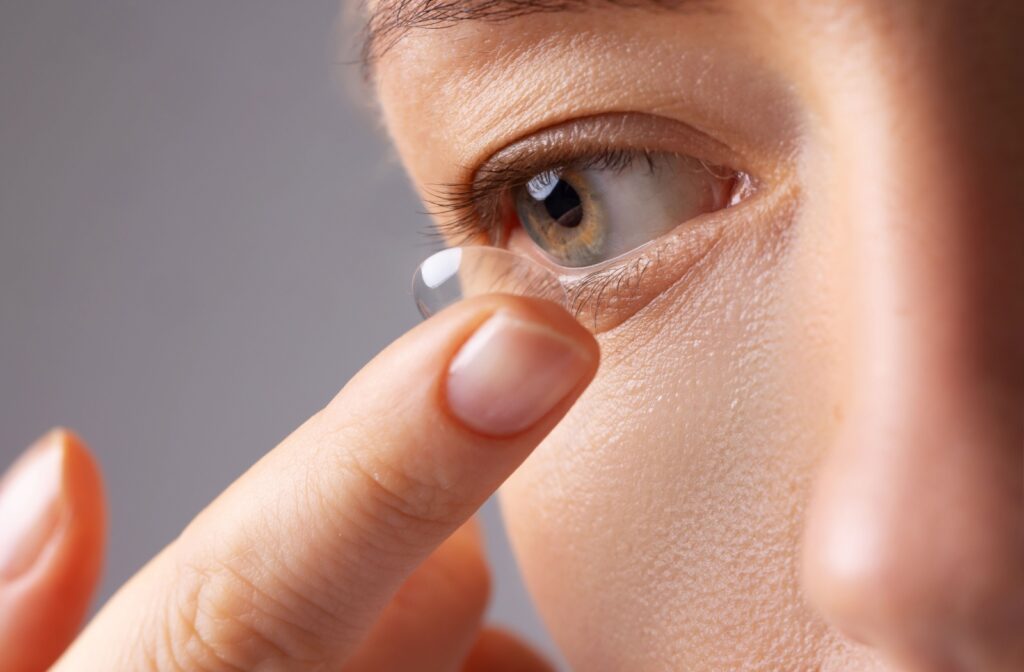
- Long-term wear of contact lenses is a common contributor to dry eye symptoms.
Simple Ways to Find Relief at Home
You can make small adjustments to your daily routine to help manage symptoms and keep your eyes more comfortable.
Adjust Your Space
- Use a humidifier to add moisture to the air in your home, especially during dry winter months.
- Position fans, heaters, or hair dryers so they do not blow directly into your eyes.
Change Your Habits
- Take regular breaks from digital screens to avoid digital eye strain. Every once in a while, close your eyes for a few minutes or blink to help re-coat your eyes with tears.
- Place your computer screen below eye level. This allows you to view it without opening your eyes as wide, which reduces tear evaporation.
- Try to stay away from smoke, as it can worsen your dry eye symptoms.
When to Get Professional Advice
If these home remedies provide insufficient relief, or if your symptoms begin to affect your daily activities, it may be time for professional support. Persistent redness, pain, or changes in your vision are clear signs that you should have your eyes examined.
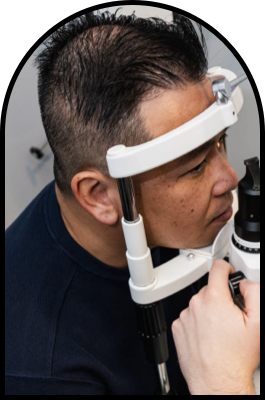
A comprehensive eye exam can help identify the source of your discomfort. As your optometrist in Chestermere, we can work with you to manage your symptoms and improve your eye comfort. Your eyesight is invaluable, and you deserve clear, comfortable vision. Our team at Chestermere Optometry provides holistic eye care that considers your overall health and lifestyle. Schedule an appointment today to discuss your symptoms and explore your options for relief.