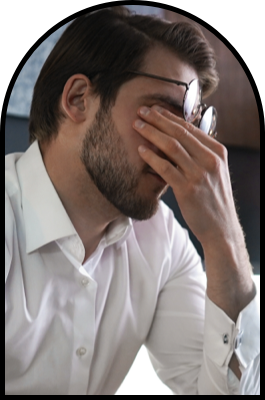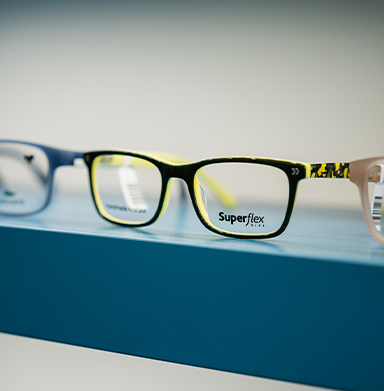

You may notice obvious changes in your vision, like trouble reading road signs from a distance. But sometimes, the signals your eyes send are more subtle. Frequent headaches or a persistent feeling of tired eyes can also be clues that your vision needs support.
These signs often point to a need for an eye health evaluation. The only certain way to determine if you need glasses is to have a comprehensive eye examination.
Key Signs You May Need Glasses
Your eyes often provide signals when they need assistance. Pay attention to these common signs that may suggest it is time for an eye exam:
- Blurry Vision: Objects up close or far away may look fuzzy. This can point to common refractive errors that make it hard to read text on your phone or see a street sign clearly.
- Frequent Headaches: If you experience headaches after reading, working on a computer, or at the end of the day, it could be from eye strain.
- Squint to See Clearly: Squinting can temporarily sharpen your focus. If you find yourself doing this often to see better, it is a strong indicator of a vision issue.
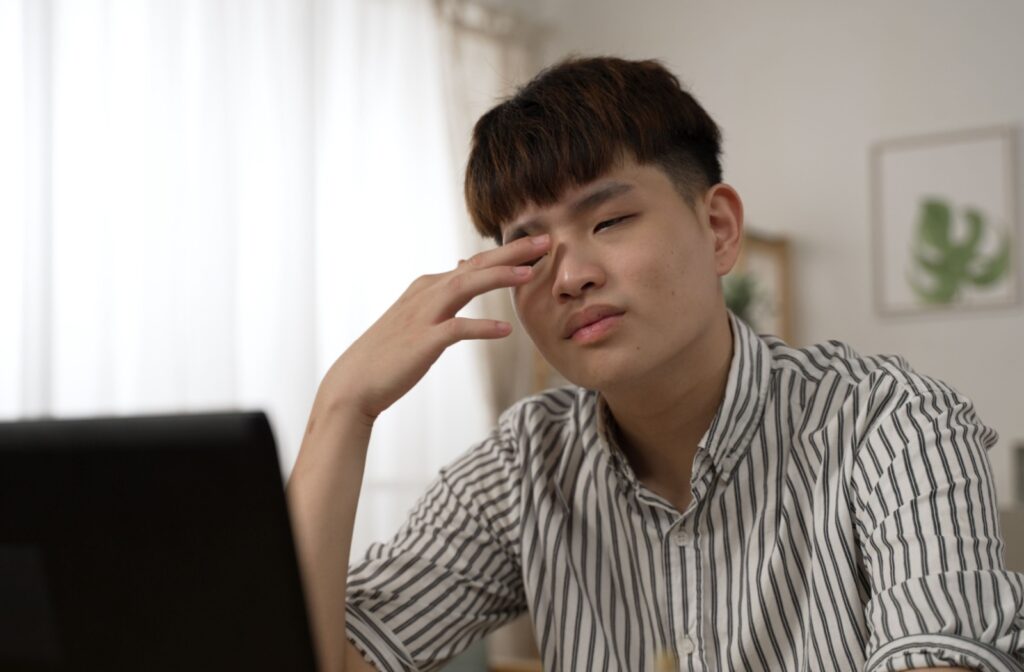
- Eye Fatigue and Rubbing: Your eyes may feel tired, heavy, or sore after tasks that require concentration. This can happen when your eyes work too hard to see clearly.
- Trouble with Screens: Staring at digital devices can strain your eyes. You might notice discomfort, dryness, or difficulty focusing on your screen, which are signs of digital eye strain.
Common Reasons for Vision Changes
Vision changes happen when the shape of your eye affects how light focuses. The eye focuses light using the cornea (the clear front surface) and the lens to bend incoming rays so they converge precisely on the retina at the back of the eye.
Refractive errors occur when the shape of the eye, such as the length of the eyeball or the curve of the cornea, prevents light from landing exactly on the retina, resulting in blurred vision. Glasses can help correct several common conditions:
- Nearsightedness: Also known as myopia, this allows you to see objects nearby quite well, but distant objects appear blurry and out of focus.
- Farsightedness: Also known as hyperopia, this refractive error makes it difficult for you to see objects up close.
- Astigmatism: An uneven curve on the front surface of your eye that can make your vision blurry at all distances, both near and far.
- Presbyopia: As you age, typically after 40, the lens in your eye becomes less flexible. This change makes it harder for you to focus on things up close, like a menu or a book.
Clues Your Child May Need Glasses
Children do not always communicate that they have trouble seeing, which is why children’s eye exams are so important. Instead, you might notice certain behaviours that point to a vision problem, such as:
- Sitting very close to the television or holding a book close to their face.
- Tilting their head or covering one eye to see better.
- Rubbing their eyes frequently or squinting to focus.
- Losing their place while reading or using a finger to guide their eyes.
- Complaining about headaches or tired eyes, especially after school.
What to Expect at an Eye Exam
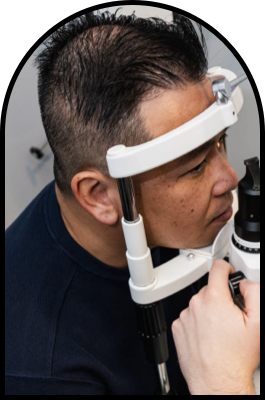
A comprehensive eye exam is a straightforward process in which your optometrist assesses your vision and overall eye health. The team uses various tests and instruments to determine how your eyes focus light and work together. This helps determine if a prescription could improve your visual comfort and clarity.
Your optometrist may start by asking about your general health, any medications you take, and your family’s eye history. They may also ask if you are experiencing specific symptoms like headaches, dry eyes, or blurry vision. This is often followed up with the vision tests themselves:
- Visual Acuity: You will read from a Snellen chart (the wall chart with letters) to measure how clearly you see at various distances.
- Refraction: To find your exact prescription, you will look through a device called a phoropter. Your optometrist will flip through different lenses and ask which is clearer.
Beyond checking your vision, your optometrist can perform a comprehensive physical exam of your eye. This can include assessing your eye muscles, measuring internal pressure for signs of glaucoma, examining the back of the eye, and more.
This thorough inspection allows optometrists to identify early signs of sight-threatening conditions and can even reveal indicators of systemic health issues such as diabetes or hypertension.
Your Next Step for Clearer Vision
If any of these signs seem familiar to you or someone in your family, it may be time to schedule a visit. A thorough eye exam provides a complete picture of your eye health and helps you understand your specific vision needs. If you need glasses, we can help you find the pair that works for you. Taking care of your family’s vision is a key part of their overall wellness. Book your appointment with our team at Chestermere Optometry so we can help find a solution that fits your lifestyle.