
After a long day of work or parenting, you may feel a gritty, scratchy, or tired sensation in your eyes. This discomfort is common, and eye drops often seem like a quick fix.
However, there are many kinds of eye drops, and not all of them work the same way. The key to effective eye drop use is understanding the cause of your dry eye symptoms and using a suitable type of drop for relief.
If eye drops alone aren’t enough to alleviate your symptoms, it may be time to consider dry eye therapy.
What Causes That Dry & Gritty Feeling?
Dry eye occurs when your tears do not provide adequate lubrication for your eyes. Medically, this condition is known as dry eye disease.
Common Environmental & Lifestyle Factors
Your surroundings and daily habits often play a significant role in eye comfort. The following factors are common contributors to dry eye symptoms:
- Long hours in front of a computer or phone screens
- Air-conditioned or heated indoor environments
- Windy, smoky, or dry climates
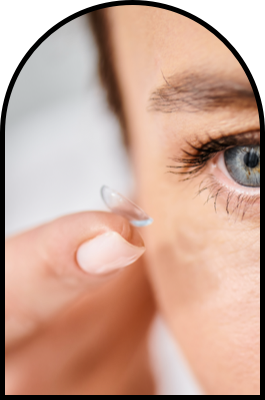
- Contact lens wear
Health & Age-Related Factors
Your overall health and life situation can also affect your tear production. Some of these factors include:
- Natural changes from the aging process
- Hormonal shifts related to pregnancy or menopause
- Side effects from certain medications
Know the Signs of Dry Eyes
Dry eye symptoms can be more than just a dry feeling. Symptoms include:
- A stinging or burning sensation
- Stringy mucus in or around your eyes
- Sensitivity to light
- Redness and irritation
- Difficulty with nighttime driving
- Watery eyes—the body’s response to the irritation
- Blurred vision or eye fatigue
A Guide to Different Types of Eye Drops
Walk into any pharmacy, and you will see a wall of eye drop options. This can be a lot to take in, but each kind of eye drop has its own purpose. For dry eye, a few different kinds of drops can potentially help.
Artificial Tears
These are the most common types of over-the-counter drops. They work by supplementing your natural tears to add moisture to the eye’s surface. Some artificial tears contain preservatives for a longer shelf life, while preservative-free options are often suggested for more sensitive eyes.
Gels & Ointments
These are thicker than artificial tears and provide longer-lasting relief. Because they can cause blurry vision, they are often used before bedtime. This allows them to work overnight without disrupting your vision.
Prescription Eye Drops
If over-the-counter drops do not provide relief, your optometrist might suggest prescription drops. These drops are more precisely formulated to address specific underlying causes of dry eye.
How to Use Eye Drops Correctly & Safely
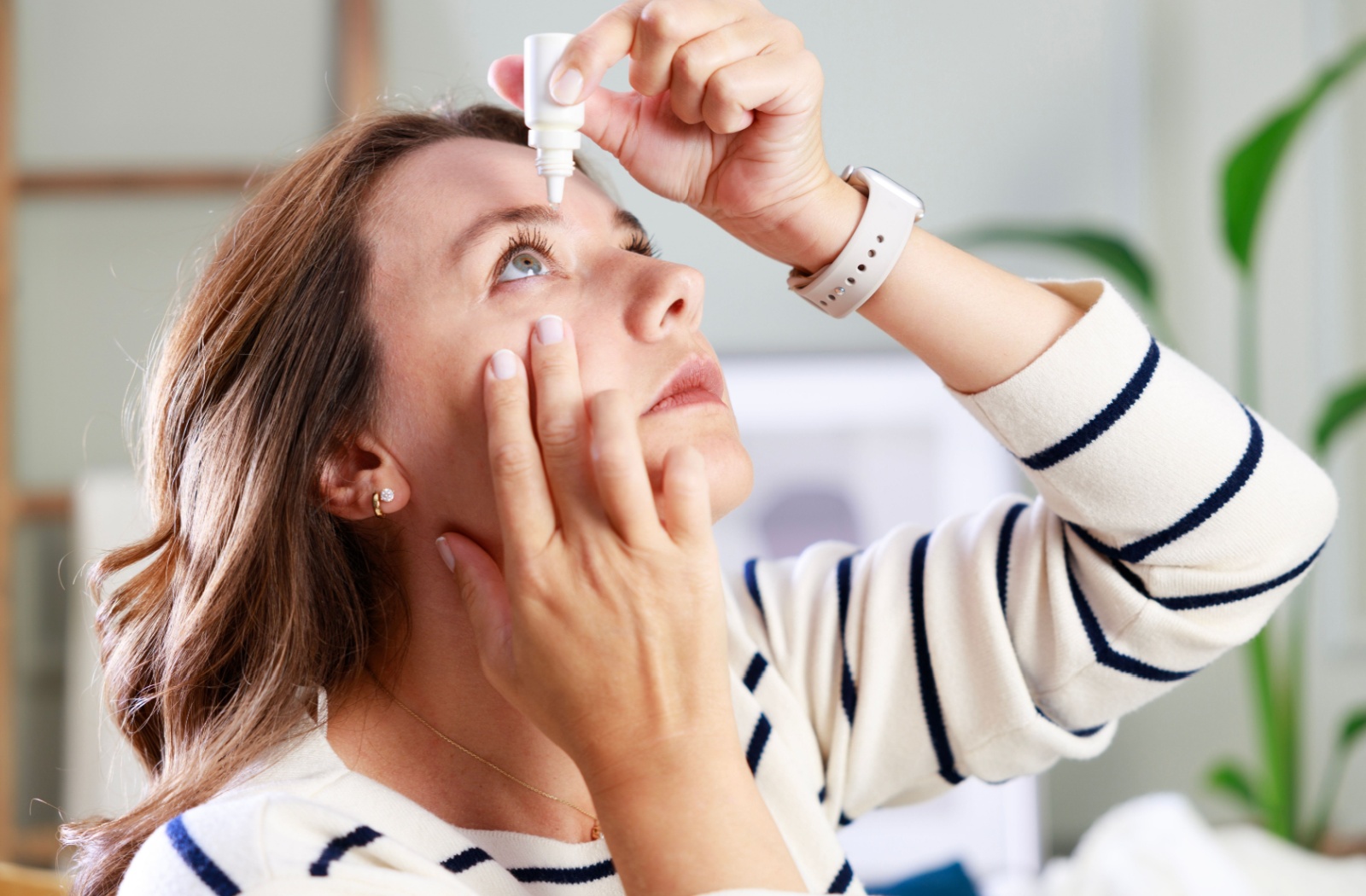
To get the most from your eye drops, make sure to apply them properly. A clean and careful application process helps you get the full benefits.
A Simple Step-by-Step Method
- Wash your hands thoroughly.
- Tilt your head back and look up.
- Gently pull down your lower eyelid to create a small pocket.
- Hold the bottle above your eye and squeeze one drop into the pocket.
- Close your eyes for one to two minutes without blinking or squeezing your eyelids.
Common Mistakes to Avoid
Proper handling and use of eye drops are important for safety and effectiveness. Avoid all of the following:
- Letting the dropper tip touch your eye, eyelid, or any other surface
- Using expired eye drops
- Sharing your eye drops with another person
Dry Eye Care Through Different Life Stages
Your eye care needs can change over time. Different stages of life present different challenges that may affect your eyes. Work demands and natural body changes can both play a role.
Screen Time & Your Work Life
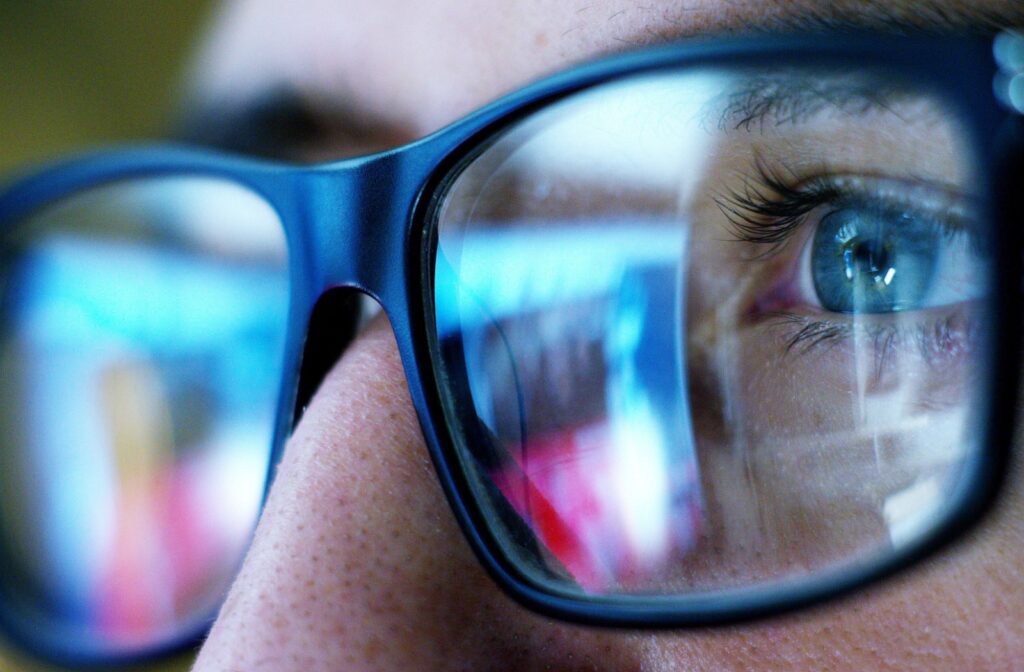
Digital eye strain is a frequent issue for anyone who spends hours on a computer. Taking regular breaks, following the 20-20-20 rule, and using the right artificial tears can help keep your eyes comfortable.
Hormonal Changes & Menopause
Hormonal fluctuations, particularly during menopause, can impact tear production and lead to increased dryness. Careful eye care routines may provide relief during this transition.
Pregnancy & Your Eye Health
Pregnancy also brings hormonal shifts that can sometimes cause temporary dry eyes. Discussing changes with a professional can help you manage your symptoms.
When to See Your Optometrist in Chestermere
Over-the-counter drops can be a great first step, but they may not always be enough. If your symptoms continue or get worse, consider getting a professional opinion. As your optometrist in Chestermere, we can help you find a targeted solution.
Signs Your Eye Drops Are Not Enough
You should consider a visit to your optometrist if you notice any of the following:
- You use artificial tears more than four to six times a day
- Your symptoms interfere with daily activities like reading or driving
- You experience eye pain or significant changes in vision
What an Optometrist Can Do for Dry Eyes
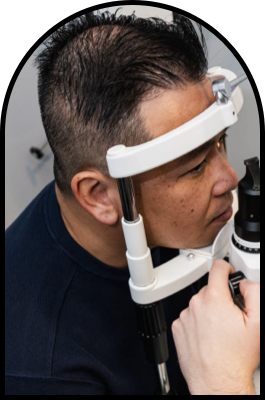
We can perform an eye exam to identify the cause of your dry eye. From there, we can create a personalized plan. This may include prescription drops, lifestyle suggestions, or other treatments to provide more effective and lasting relief. If you are experiencing persistent dry eye symptoms, schedule an appointment with our team at Chestermere Optometry today.